Septic Tank Inspection Services in Los Angeles are highly important in protecting property value and public health. Property owners throughout Los Angeles depend on experienced LA septic inspectors to identify leaks, measure sludge levels, and find issues before they worsen. Catching those issues early can stop backups and groundwater contamination.
Routine Septic Inspection Services
Area experts, including companies such as Septic Services of LA, deliver thorough septic system inspections. These services often include pumping, cleaning, and effluent filter installation. They also take care of riser and lid placement, leak detection, and camera inspections. Those inspections often include detailed reports, a key requirement for real estate transactions.
Los Angeles properties use multiple septic system types, including gravity-fed, pressure distribution, and pump systems. Experienced inspectors adapt each inspection to Los Angeles requirements and site-specific conditions. If you need a septic inspection in Los Angeles or plan to book routine or emergency service, visit www.septicservicesofla.com.
Why Regular Septic Inspections Matter For Los Angeles Homeowners
Routine septic inspections defend both homes and the surrounding environment. They can detect leaks, failing baffles, and surface wastewater early, preventing groundwater contamination or damage to local yards. Homeowners who monitor septic system condition, they support neighborhood health and reduce the likelihood of regulatory issues in Los Angeles.
Protecting Groundwater And Neighborhood Health
Septic tanks process household wastewater on-site. If key components fail, bacteria and nitrates can seep into soil and wells. Regular evaluations help confirm that baffles, effluent filters, drain fields, and alarms are functioning correctly, helping reduce contamination risks and costly cleanups.
Reducing The Risk Of Costly Failures And Backups
Professional inspections identify sludge and scum buildup, root intrusion, broken lids, and clogged lines before they become major problems. Dealing with these issues through maintenance lowers the risk of backups and emergency repairs. Early maintenance work can save thousands, protecting property value compared with full system replacement.
How Often Inspections Are Needed And When To Schedule
Most households, a septic system inspection should be completed every three years. Properties with high water use, small tanks, or older equipment may need closer monitoring. In real estate transactions, septic system evaluation services should be hired before closing to document condition and reduce transaction risk.
Relying on a septic tank inspection checklist and services from a licensed local specialist helps confirm everything is tested. When you see slow drains, odors, or soggy spots, schedule a septic system inspection immediately to stop the problem from escalating.
Professional Septic Tank Inspection Services In Los Angeles
In Los Angeles, professional teams perform thorough inspections to assess system condition and maintenance needs. They provide detailed written reports. Those findings is important for homeowners, buyers, and agents who need to understand the next steps for the system.
What Is Checked During A Full Inspection: Tank, Baffles, Drain Field, Pumps, Alarms
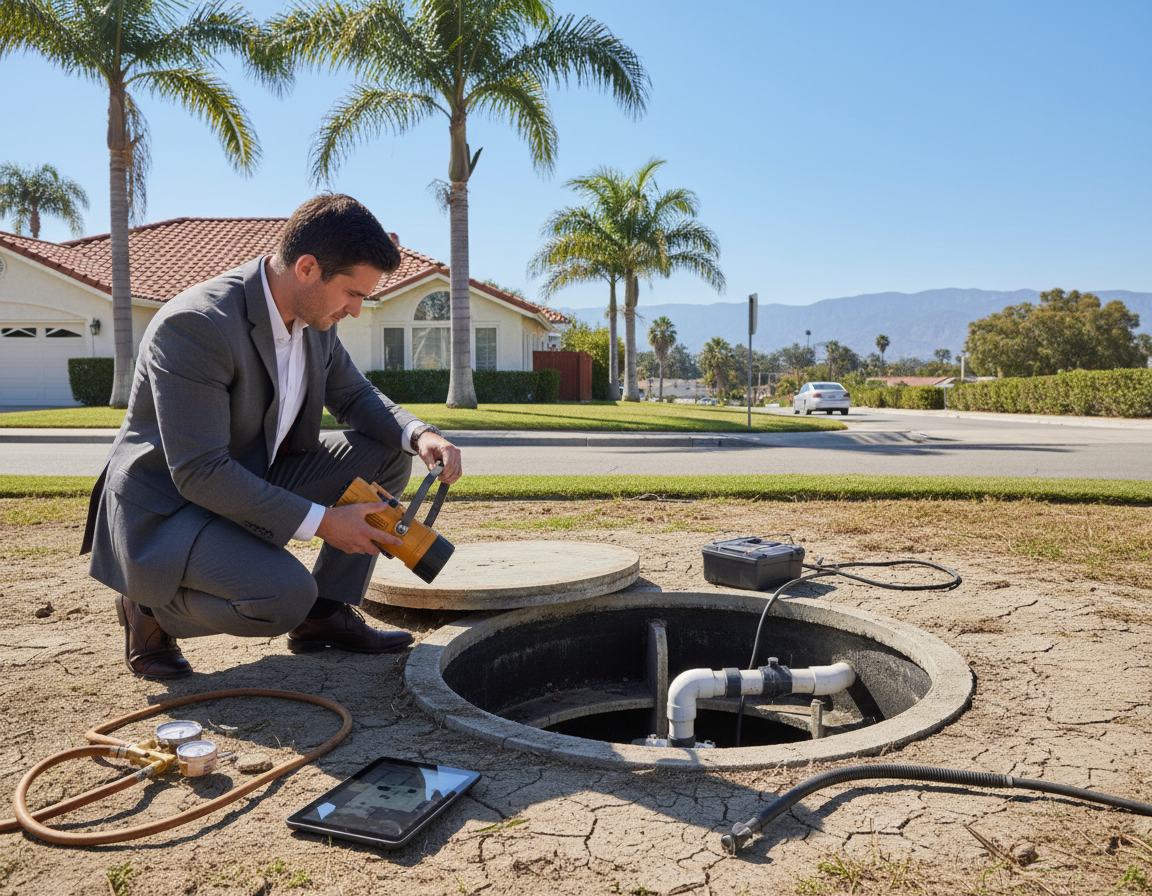
Inspectors review tank integrity, access lids, and risers to confirm safe entry and proper sealing. They inspect inlet and outlet baffles for damage and assess scum and sludge levels. This helps determine when pumping should be scheduled.
The evaluation also covers mechanical components. Pumps, floats, alarms, timers, and distribution boxes are examined for reliability. Camera inspections of inlet and outlet lines are commonly used to identify blockages or breaks.
Drain field assessments focus on signs of saturation, surfacing wastewater, and unusual vegetation growth. They also check for root intrusion. Distribution testing and distribution checks help verify proper effluent dispersal across the field.
Real Estate Documentation And Septic Inspection Reports
Inspection teams create detailed written reports. These often include scum and sludge measurements, photos, and recommended repairs or maintenance. These reports is valuable for agents and lenders during real estate transactions.
When a property is being sold, a septic tank inspection explains the system’s condition before escrow closes. Clear reporting minimizes unexpected issues, supports faster negotiations, and documents actions taken to meet lender or municipal requirements.
How Inspections Support Environmental Compliance In Los Angeles
Regular inspections ensure systems operate within local health and environmental standards. Records from la septic tank inspectors create an audit trail for county or city permitting and enforcement.
Septic documentation services help property owners avoid fines or mandated repairs by identifying issues early. For prospective buyers, a septic tank inspection for home buyers gives confidence that wastewater is being managed responsibly.
How Septic Tank Inspections Work: The Process And Tools
A clear inspection process helps homeowners understand what to expect and how to prepare. The following overview covers the main steps and tools used during a professional septic tank inspection. It covers routine checks from paperwork to on-site testing.
Review before inspection
Inspectors begin by reviewing system records, including pumping dates and repair history. They also consider household size and water use to measure system stress. Those records guides targeted testing and informs the septic tank inspection checklist and services.
Identifying access points and risers
Inspectors search for lids, distribution boxes, and buried components. When septic tank risers are installed, access is quicker and yard disturbance is reduced. When covers are buried, tools and light excavation may be needed to find them.
Checking scum and sludge levels
Specialized probes measure scum and sludge layers in the tank. If sludge reaches a critical depth, pumping is advised to prevent backups. Inspectors may also recommend cleaning or replacing effluent filters as part of regular maintenance.
Septic system flow testing and cameras
Operational flow testing examines inlet and outlet movement and drain field percolation. Camera inspections evaluate pipes and boxes for blockages, root intrusion, or cracks. Support equipment such as electronic leak detectors, dye testing, and alarm checks strengthen these evaluations.
Common findings and next steps
Frequent problems include high sludge, damaged baffles, clogged filters, failing pumps, saturated drain fields, root invasion, or cracked lids. Inspectors commonly recommend next actions, such as scheduling pumping, repairing baffles, installing risers, or planning drain field work.
Understanding the septic tank inspection process helps homeowners choose the right provider, prepare the site, and act on recommended repairs. This understanding supports both their investment and local groundwater.
Services Provided By Local Septic Inspection Specialists
Local septic inspection specialists provide a broad selection of services to keep systems operating safely and maintain property value. They pair on-site evaluations with scheduled maintenance plans. This service model helps homeowners avoid unexpected issues and manage budgets more effectively.
Routine septic inspection services often involve checks on alarms, floats, pumps, effluent filters, and baffles. Technicians suggest inspection frequency based on household size and tank capacity. Many companies also offer scheduled reminders and preventative tasks to support long-term septic system maintenance.
For real estate transactions or more complex problems, detailed septic system inspections in LA are available. These inspections come with written reports, photos, and repair estimates. The reports outline timelines for pumping, repairs, or monitoring and can satisfy lender and permit requirements.
Tank pumping support, cleaning, and sludge removal are important for maintaining safe scum and sludge levels. Specialists can arrange certified pumping crews and install risers for future access. They also make sure proper disposal of septage according to local regulations.
Drain field inspection with repair and replacement planning is also available. Inspectors review percolation, distribution, and soil saturation. They identify clogs, root intrusion, and hydraulic overload, then offer options such as lateral repair, regrading, or full replacement with cost and scheduling guidance.
Specialty service options include effluent filter installation, baffle repair, leak detection, root removal, and alarm installation. Emergency response and system upgrades may also be available. Property owners seeking affordable septic inspections near them and comprehensive septic system maintenance may locate these services through local providers.
Choosing A Reliable And Certified Septic Inspection Company In Los Angeles
Choosing the right inspector is critical for your home, your finances, and the environment. Look for clear credentials, a strong local reputation, and transparent reporting. Those factors are key when comparing providers in Los Angeles.
Main credentials to check
Confirm the company has local permits and insurance. Check whether technicians are certified for camera work, pressure distribution systems, and pumping. Certified local inspections lower liability risks and help ensure reports meet accepted standards.
Questions to ask before you book
Get a detailed price range and a list of what is inspected: tank, baffles, drain field, pumps, and alarms. Confirm the expected inspection duration and report turnaround time. It is also wise to ask whether the company can handle pumping or repairs if problems are found and whether sample reports are available.
Why local reputation and reviews matter
Look for a company with verifiable reviews and a history of local service. Strong ratings can indicate dependable quality and responsiveness. Clear pricing and documentation are especially valuable for real estate transactions and long-term maintenance plans.
Reasons to work with Septic Services of LA
Septic Services of LA delivers inspections, pumping, cleaning, drain field work, and tailored reports for Los Angeles systems. To book service, request an estimate, or review available options, visit www.septicservicesofla.com. Working with a local specialist helps ensure inspectors are familiar with LA rules and common system designs.
| What You Should Verify | Why This Matters | Questions To Ask |
|---|---|---|
| Proper licensing and insurance | Shows legal compliance and financial protection for owners | Can you provide proof of local licenses and liability insurance? |
| Certifications tied to inspections | Helps confirm methods meet industry and real estate expectations | Can you complete certified septic inspections near Los Angeles and share sample reports? |
| Inspection scope and deliverables | Explains what is inspected and how results are documented | What does the inspection cover and how long until I get the report? |
| Scheduling and coordination | Speeds closing processes and simplifies repairs or pumping | Will you help coordinate repairs or pumping when issues are discovered? |
| Nearby reviews and references | Shows reliability, service quality, and local experience | Can you provide local references or recent review sources? |
| Reputation for value | Transparent pricing prevents surprises during transactions | What should I expect for pricing, including possible extra charges? |
Cost, Scheduling And Preparation For Your Inspection
Reviewing the cost, timing, and preparation steps is essential for a smooth inspection. The typical septic inspection cost varies based on tank depth, access, and whether camera or flow testing is needed. Typically, there is a baseline cost range, with additional charges for pumping or repairs.
Typical inspection cost range in Los Angeles and factors that affect price
In Los Angeles, a full inspection usually costs between $400 and $600. Greater tank depth or harder-to-access lids can raise the price. Larger systems, more acreage, buried lids, or excavation needs can also increase the total. Additional services such as camera work, pumping, or rush reports will push costs higher.
Scheduling a septic system inspection and booking a Los Angeles appointment
To schedule a septic system inspection, contact a local provider and describe your system. For real estate transactions, book early to leave time for repairs and reporting if needed. Request a quote and available dates, then confirm the appointment that best fits your schedule.
Preparing your home and yard for a septic inspection
Clear the area around tank lids and risers. Move vehicles, tools, and toys away from the work zone. Be sure to trim heavy vegetation that could block access.
Have system paperwork and past pumping records ready for the inspector. Limit water use on the day of the visit to support more accurate test results. If possible, have an adult present to answer any questions during the appointment.
Tips for extending system life through maintenance, pumping intervals, and component care
Keep up with pumping intervals based on scum and sludge levels, typically every 3 to 5 years. Adjust the schedule according to household size and tank capacity. Keep the drain field from heavy vehicles and avoid planting deep-rooted trees nearby.
Install and clean effluent filters, test pumps and alarms regularly, and address minor repairs early. Ongoing care reduces the risk of costly failures, which helps keep septic tank inspection costs lower for Los Angeles homeowners.
If cost is a concern, seek out affordable septic inspections near you and compare quotes. Being upfront with the inspector about your system’s history can help them work more efficiently and may reduce extra charges.
Conclusion
Scheduled septic evaluations are essential for protecting property value, public health, and the environment in Los Angeles. A professional inspection checks tank integrity, baffles, the drain field, pumps, and alarms. It also provides written documentation that supports routine maintenance and real estate transactions while helping confirm compliance with local standards.
Most homeowners should arrange inspections every three years, or sooner if household size or water use increases. If you are planning to sell, arrange a pre-sale inspection and secure the full report. Working with reliable septic tank service providers helps ensure clear findings and timely follow-up, such as pumping, cleaning, or drain field repair.
Choose septic tank inspection services in Los Angeles that offer transparent pricing, certified technicians, and detailed reports. If you want reliable, documented service, contact local specialists to request a professional septic tank inspection, book maintenance, or get a customized plan. Proactive inspections and prompt care lower long-term costs, reduce failure risk, and help keep systems compliant with Los Angeles expectations.
Related: The Process of Septic Tank Emptying in Sylmar Explained